
What's Involved
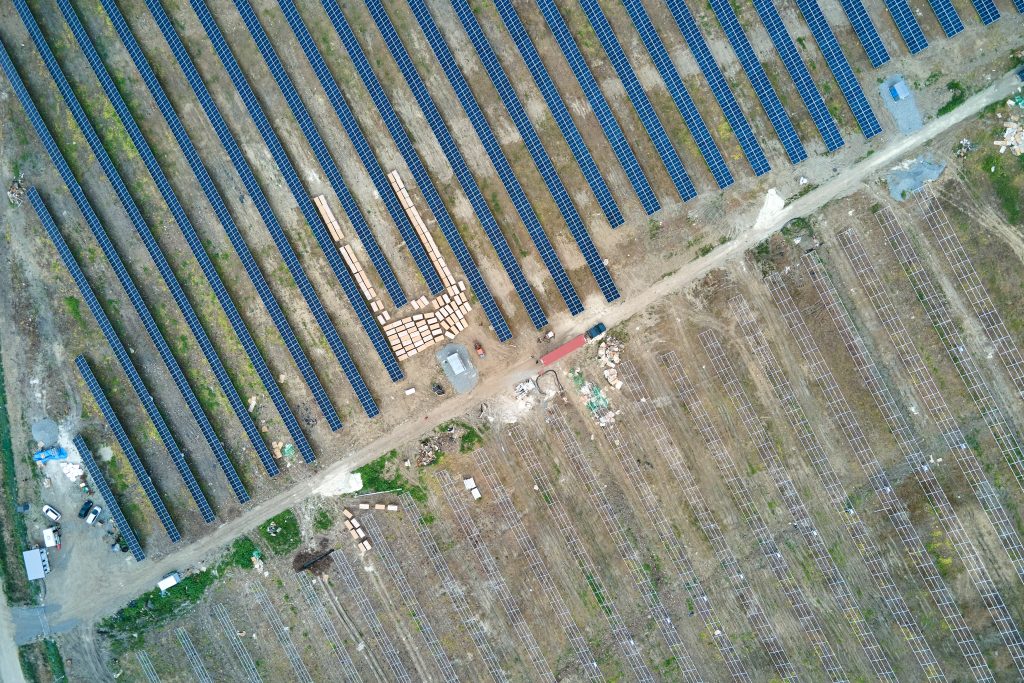
Solar Farms are now common in the English countryside, and are set to become much more so. They consist of large-scale installations of photovoltaic panels that generate electricity from sunlight. The panels are mounted in arrays on metal mountings, c2m in height or up to 4m, and buried up to c4m into the ground.
The power generated by the panels is converted and transformed, and stored in large battery units (Battery Energy Storage Systems, BESS).
These all require built infrastructure on the site. Wires are trenched or above-ground. Electricity is then exported to the grid via underground cabling. Security fencing surrounds the site. Construction and maintenance require all-weather access tracks, and often drainage and earth-moving.
Electrical power output is measured by the standard unit of megawatts (MW – one MW = 1 million watts).
Grassland is the usual ground cover underneath and surrounding the panel arrays. It may be grazed by sheep, or cut.
‘Agrivoltaic systems’ combine solar energy with agriculture, promoting grazing or crops under and between the panels. For crops the panels may need to be mounted on very tall poles so that combine harvesters can go underneath.
www.enelgreenpower.com/stories/benefits-agrivoltaics
The life of the panels c30 yrs, and planning consents are based on a Solar Farm life of 35-40 years.
The average size of solar farms in Britain is 14ha (34.6 acres).
Planning permission is required for all solar farms. Those generating more than 50MW require a Public Inquiry.
The obvious advantage of solar farms in creating green energy can be offset by various factors including the major land-take, implications for agriculture and wildlife, modification of natural drainage, soil damage, and a need to mine rare minerals which are used in both panel and battery manufacture. Currently both solar panels and batteries are problematic to recycle. Only one company in the UK offers a recycling service, at a cost, for panels. ( “Projections of solar ‘garbage’ by 2050 are double that of global plastic waste” - www.greenly.earth/en-us/blog/ecology-news .)
Other Solar Farms Nearby
Solar Farms are being developed at a rapid rate in the UK. There are already many in our area.
Two maps show the large number of Solar Farms in England and Wales, and those in our area, ie near Coleshill and the Old Hayes proposed site. Green dots are operating farms, orange are under construction or proposed in the planning system.
The maps are undated but approx. as at 2021.
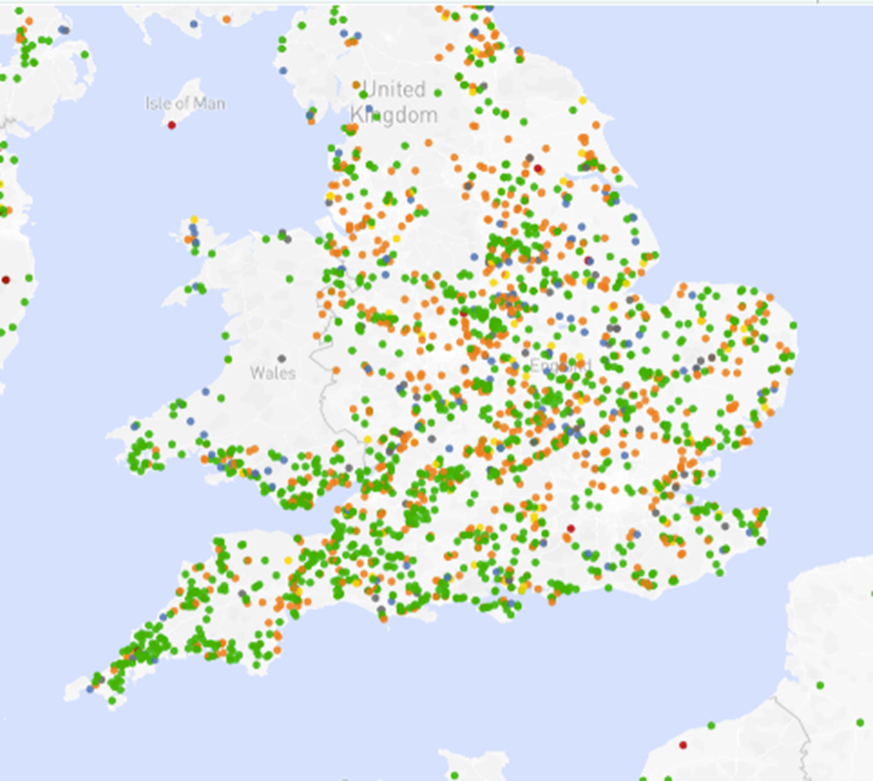
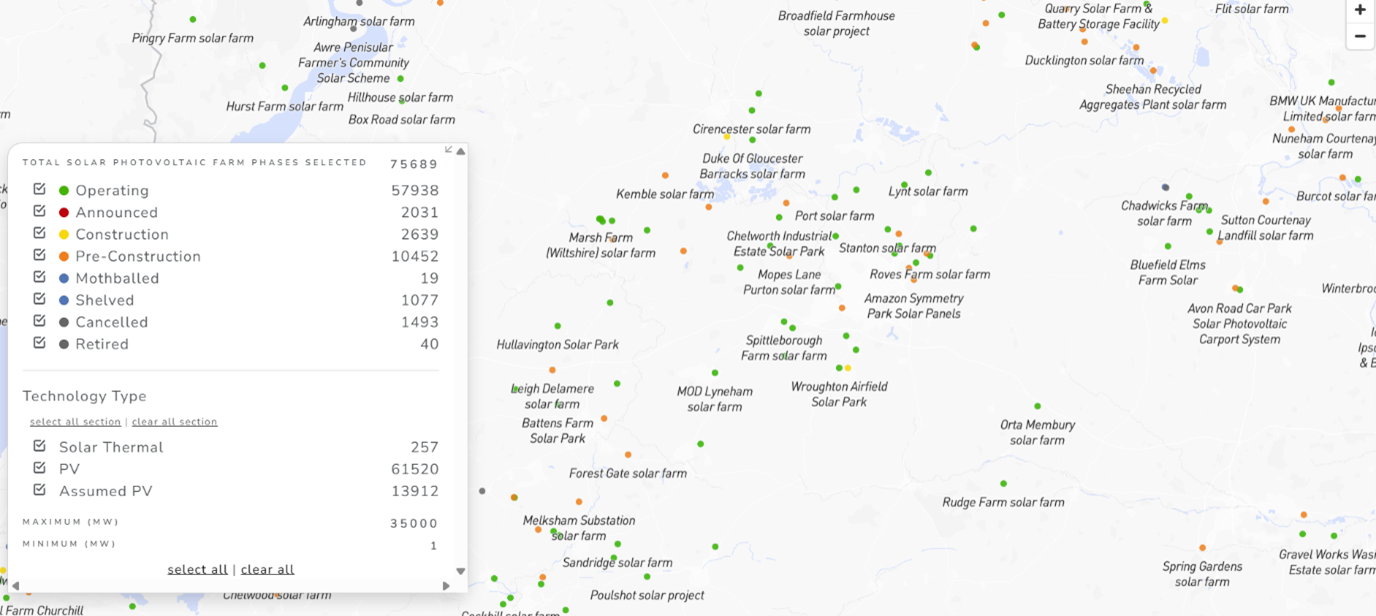
Source: Global Energy Monitor – Global Solar Power Tracker. www.globalenergymonitor.org/projects/global-solar-power-tracker/tracker-map/
Data from this source as at February 2025 records 9,031MW of electricity generated from Solar Farms in the UK, with an enormous jump to 25,070MW proposed – farms under construction or planned. This increase of some threefold is possibly the greatest increase in the world. France, Germany, Italy and Spain all have considerably more solar farm energy generation, but increases are more modest. In terms of numbers of solar farm ‘phases’, ie units under one planning permit, the UK has 1,261 at present, and a further 1,064 proposed.
Solar Farms close to Coleshill
| Site | Year Active | Energy Output | Area Covered |
|---|---|---|---|
| Lynt Farm, Inglesham | 2015 | 27MW | 37ha (91 acres) |
| Pentylands Solar Farm, Hannington Wick | 2013 | 15MW | 36ha (91 acres) |
| Westmill Solar Farm, Watchfield (community owned) | 2012 | 12ha (30 acres) | |
| Stanton Solar Park, Stanton Fitzwarren | 2015 | 5MW | 12ha (30 acres) |
| Beach Farm Solar Farm, Stanton Fitzwarren | 2016 | 4.55MW | 10ha (25 acres) |
| Corner Copse Solar Farm, Stanton Fitzwarren | Under construction from 2024 | 49.9MW | 95.5ha (236 acres) |
Three of these are small Solar Farms, covering one or two fields for example. Corner Copse is very large (although notice that it is just below the threshold of 50MW output requiring a Public Inquiry), extending from the A361 Highworth-Swindon road, around the historic and previously unspoilt village of Stanton Fitzwarren, north to the B4019 Highworth-Blunsdon road.


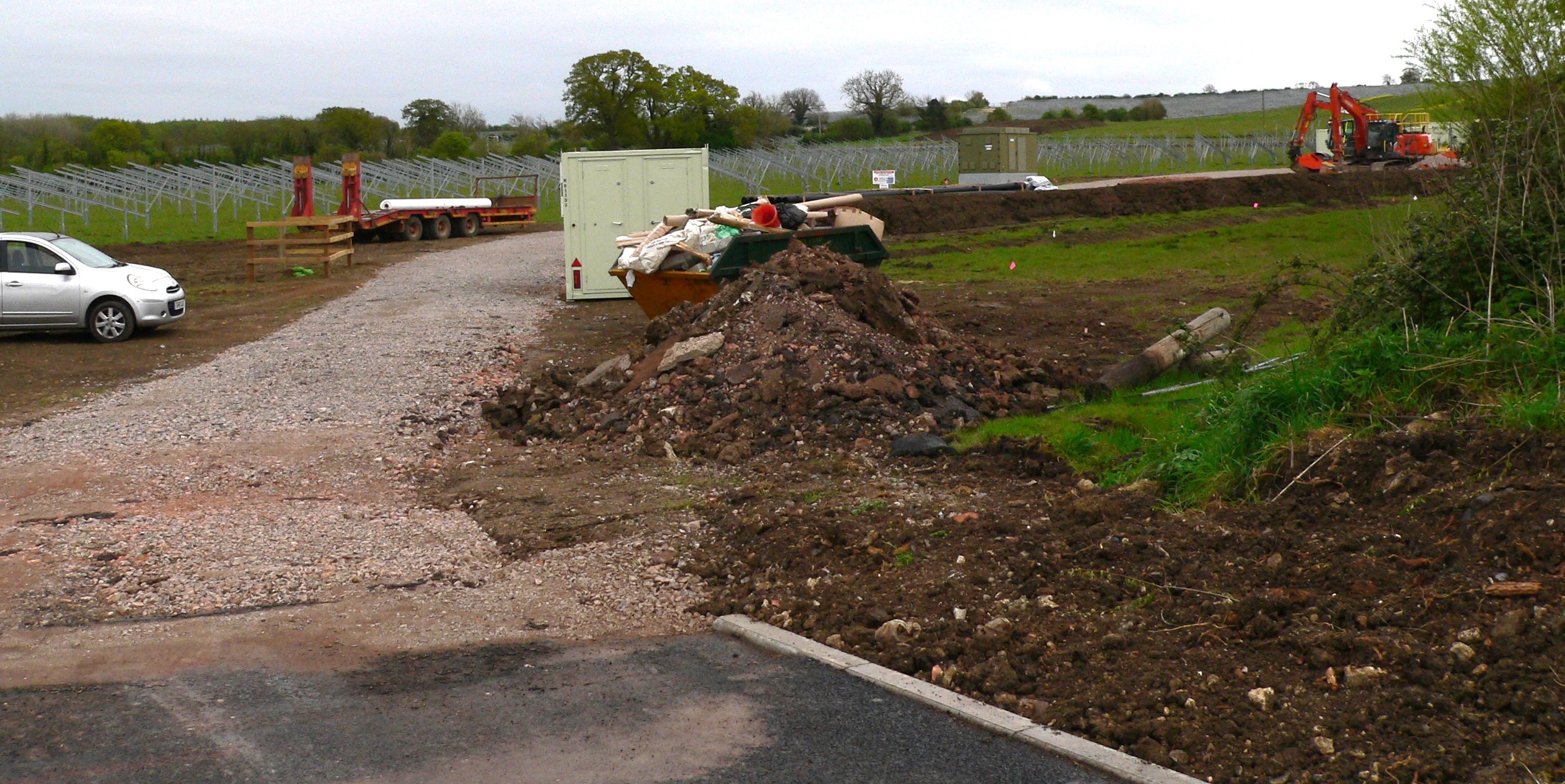
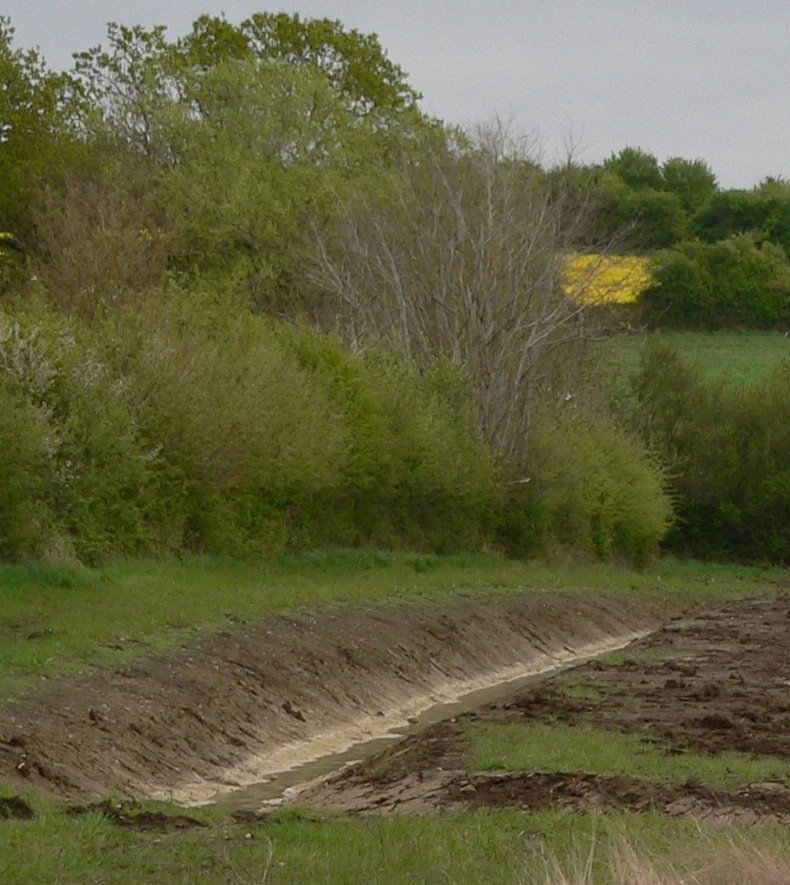
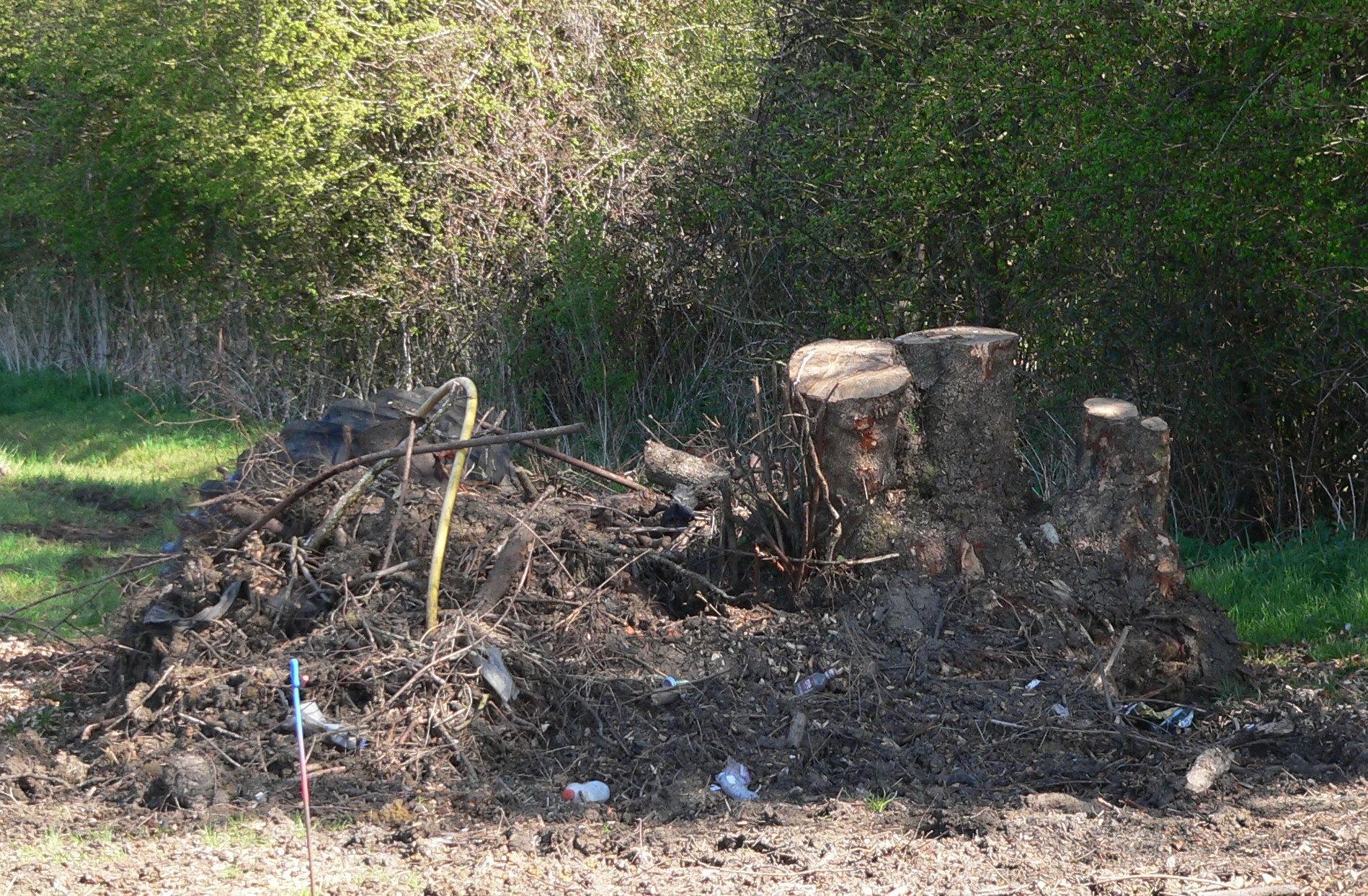
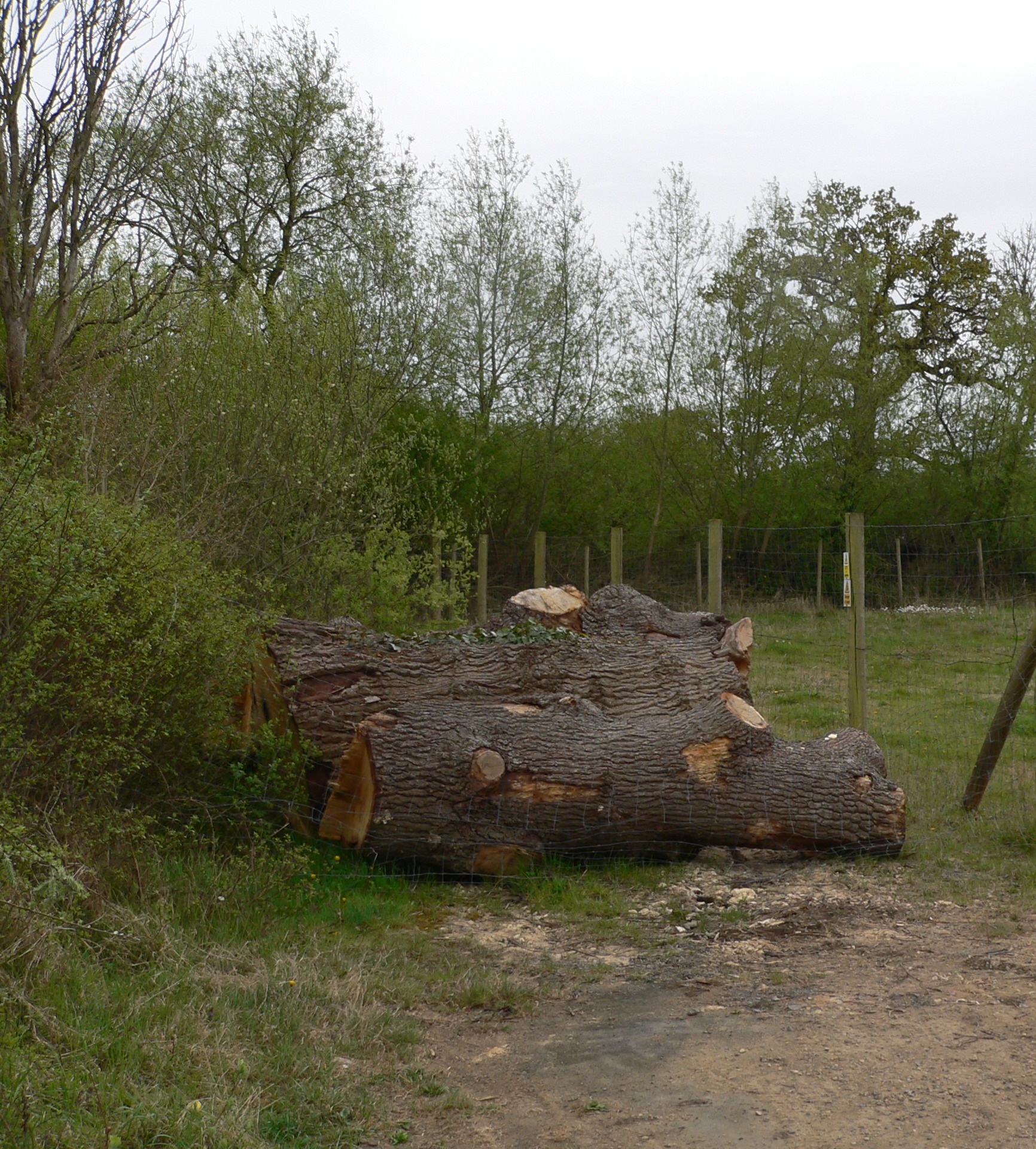
Solar farms nearby, operative and under construction, showing security fencing, access track, drainage ditch and collateral damage to valuable old trees. All are in existing very attractive and unspoilt countryside.
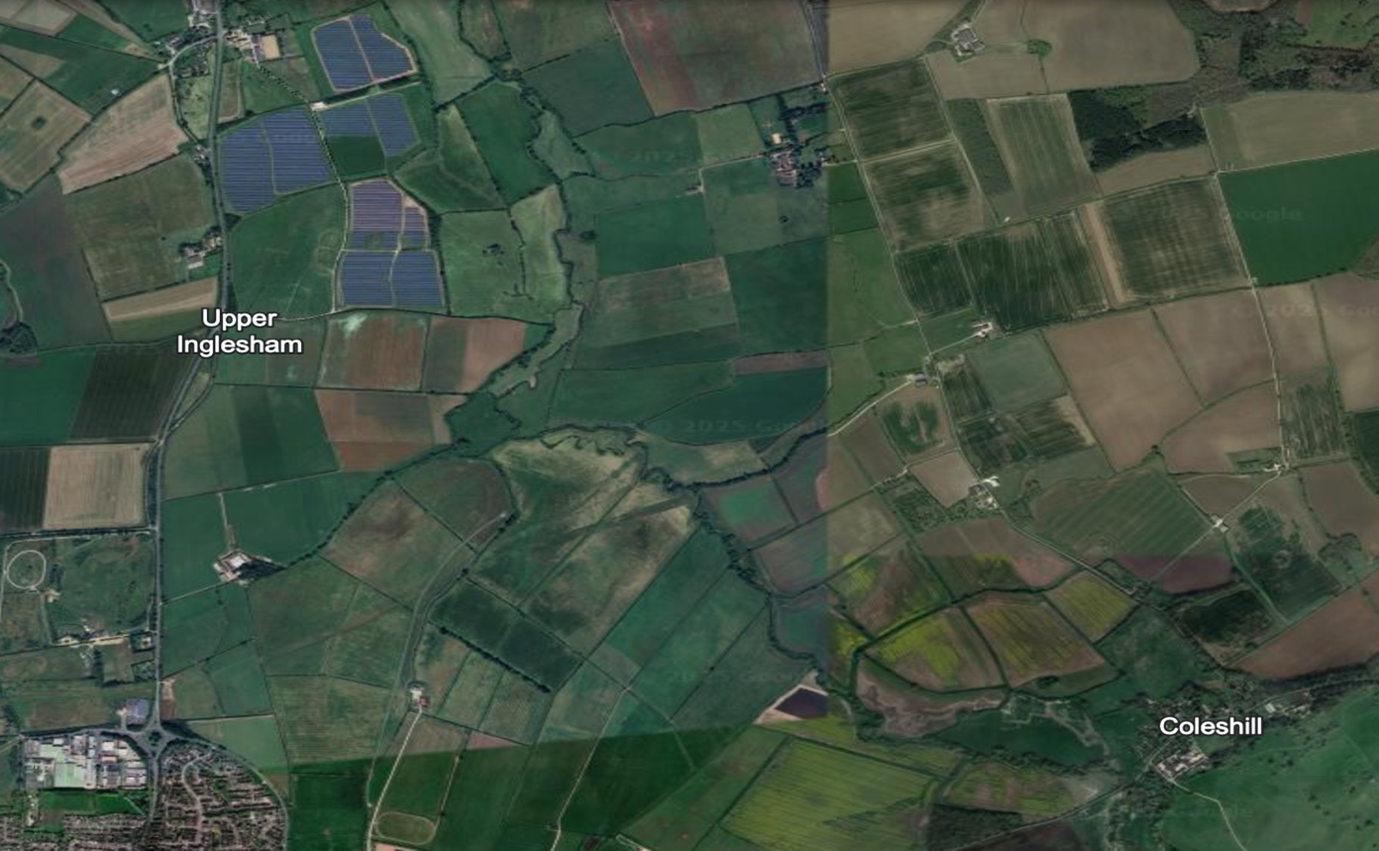
Lynt Solar Farm, Inglesham from the air