Planning Application & Responses
P25/V1646/FUL
Abei Energy Green IV Ltd submitted its Application on 29 August 2025 to the Vale of White Horse District Council (VOWH) for permission to develop Old Hayes Solar Farm as follows:
Description: Temporary planning permission for 40 years for the construction and operation of a solar farm, battery energy storage system (BESS) with associated infrastructure, access improvements and ancillary development, including ecological enhancements and continued agricultural use.
If the long list of documents on the Application site is off-putting, we could suggest that you read the Environmental Statement Non Technical Summary first. This can be found via Supporting Documentation, then via the Environmental Statement Folder, in the Appendices sub-folder – hoping the arrangement hasn’t been changed.
Then for a deeper dive, there may be topics of particular interest to you in the list under Supporting Documentation – for example the Heritage Assessment includes interesting information on Coleshill village history and archaeology. There are also reports on Ecology, Flood Risk, Transport and many other topics. There is usually a Summary or Conclusion for a quick read.


Responses to the Application
Responses (comments) were posted on the VOWH Application site between 29th August and late November, 2025. Comments were submitted from Statutory Consultees and any individual or group who wished to comment.
The Focus Group was delighted that over 90 comments were posted by local residents and others from further afield. There was not one single comment in support of the proposal – all were objections. The comments can be read on the Application website here.
The comments will remain live for 6 months after the decision is made by the VOWH, so probably until late summer or autumn 2026.
The Application documents submitted by the developer, ABEI, will be available indefinitely.
The Focus Group's Response
We have set out in the response document and the appendices why the proposed land of Snowswick Lane is a wholly inappropriate area for a Solar Farm to be developed. Core Policy 41 of the VOWH Local Plan 2031 sets out six significantly adverse effects that a renewable energy development should not cause.
The Old Hayes Solar Farm application causes every single one of these effects. The proposed remedial actions further aggravate other Core Policies (most importantly Core Policy 42 – Flooding) or are incapable of providing the necessary remedy.
In addition, almost every local and national planning guideline is breached by this application. The community recognises the importance of renewable energy and acknowledges The Vale of the White Horse’s duty to balance the positive and negative effects of all planning applications.
However, no reasonable conclusion can be made that the negative consequences of developing this particular site in preference to other available and existing sites both locally and nationally would be outweighed by the benefit of an additional 49.5MW of low carbon power generation.
We kindly request that the planning department confirms receipt of this submission.
Yours sincerely,
Coleshill Parish Council
Primary Concerns
- Flood risk – underestimated and inadequately addressed in the Application. Flooding affects the whole proposed site, with upstream and downstream impacts. The Application underestimates the present and future degree of flood risk, from both fluvial (river) and surface-water flooding.
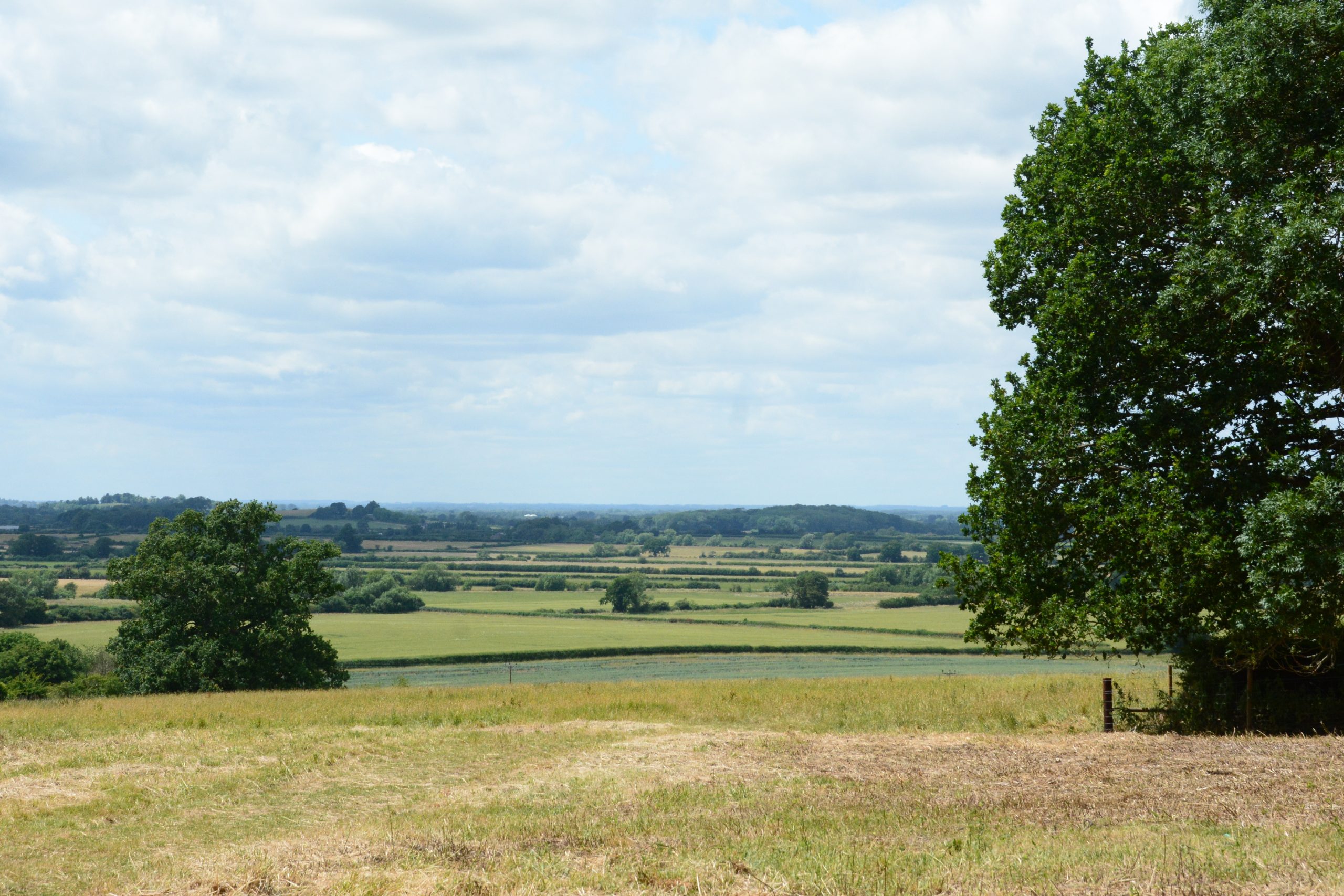
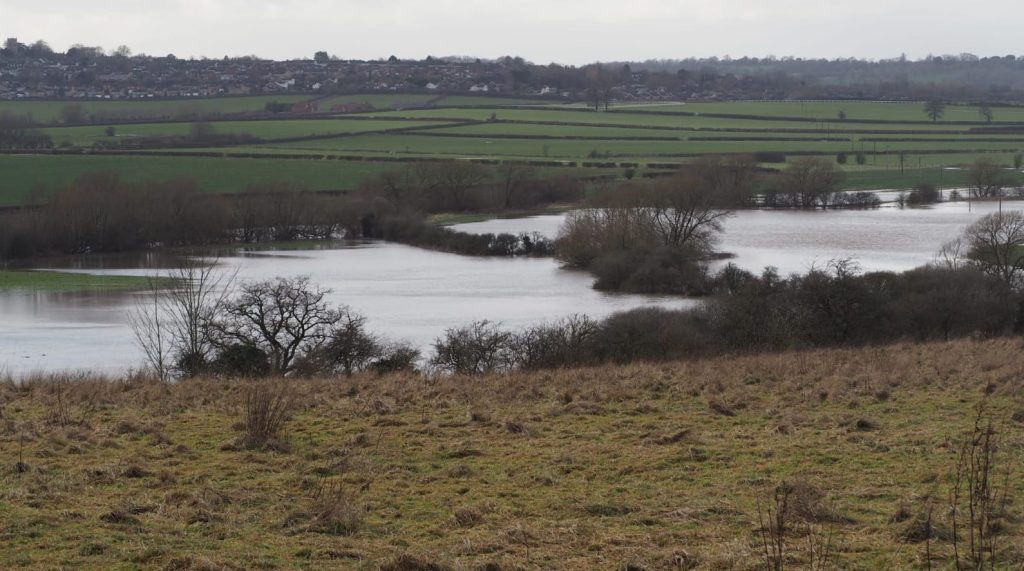
- Landscape impacts – again, not properly assessed by the Applicant. The site lies within open, gently undulating farmland forming part of the historic Coleshill Estate. The landscape is in the highest category of sensitivity for large-scale solar farms. The Applicant’s own Landscape and Visual Assessment (LVIA) underestimates the true extent of harm the development would pose.
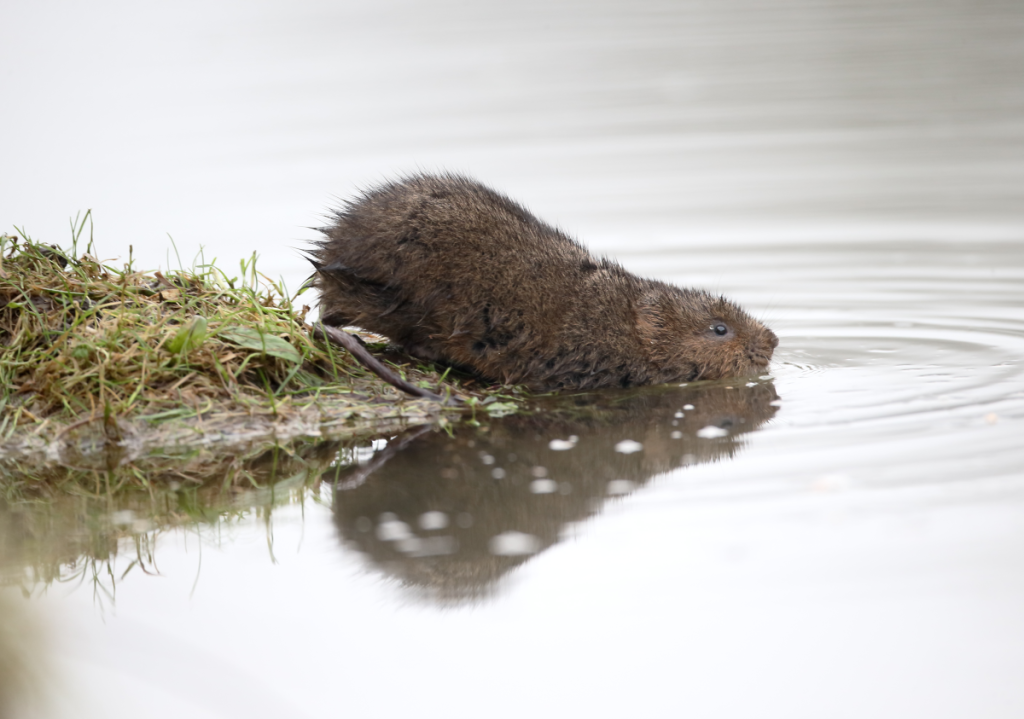
- Ecology and Biodiversity Net Gain – many current interests were ignored and Biodiversity Net Gain is not properly calculated. Ecologically important species, species assemblages and habitats would be lost or degraded. The River Cole, its backwater and corridor have been left out of the assessments, thus ignoring major ecological features and impacts. Biodiversity Net ‘Gain’ is more likely to be Loss.
- Transport – Snowswick Lane is wholly unsuitable as the access route for proposed construction and maintenance. It is an attractive, narrow rural lane, in no way suitable for a dramatic change in use.
Archaeology, Heritage and Landscape Setting – new research shows that virtually the entire proposed site is of great importance archaeologically. Turning it into an industrial-scale solar farm would damage this value irreparably.
Loss of Agricultural Land and Food Security – the proposal would remove 70ha of productive farmland from agricultural use. Almost 20% of the site is Best and Most Versatile agricultural land and should be kept free from any development.
Assessments such as Lighting and Fire Risk are incomplete, so the full impacts on residential amenity cannot be determined.
Public consultation by the developer (ABEI) with the local community has been negligible, contrary to planning policies.
Claimed renewable energy benefits are not site-specific and do not outweigh the serious and irreversible environmental harm identified. No information on possible connection routes to the grid are provided.
Flood Risk & Drainage
In direct response to the applicant's assessment of flood risk and drainage, residents of the area routinely witness extensive and damaging flooding from fluvial (river capacity exceeded) and surface water runoff. The Focus Group has grave concerns on the passive nature of the independent flood report. It is biased in that it only considers the actual land area to be developed, and not the neighbouring properties. This is particularly relevant for upstream and downstream drainage, which are often overwhelmed during periods of prolonged rainfall, due in part to flow control for the nearby rivers including the Cole and the Thames.
We acknowledge this report takes its data from the National Planning Policy Framework 2024, the National Planning Practice Guidance 2014 and Oxfordshire County Council Local Development and Planning Policies: no reference can be found to the Vale of White Horse Strategic Flood Risk Assessment 2024 as referenced in a Flood Management planning application, also within Buscot/SN7 locality, which can be viewed here: P25/V1584/FUL
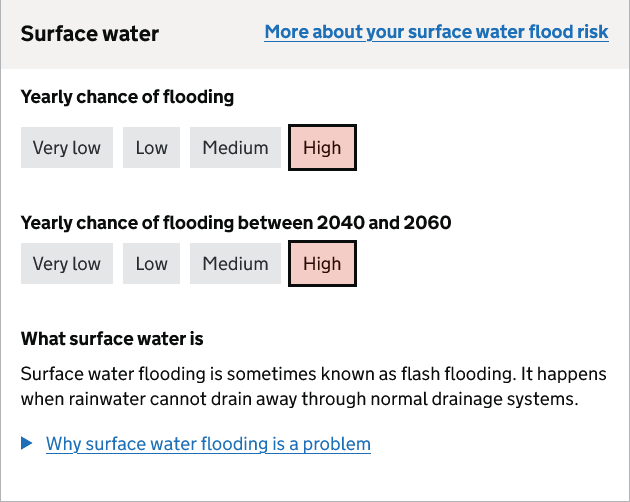
The Environment Agency (EA) recently carried out a National Flood Risk Assessment (EA2025c) to assess the probability of flooding to land from all main rivers in England. The result of this modelling has been combined with recorded flood events to produce the EA's flood zone map. This mapping puts the whole area as HIGH RISK for a yearly chance of flooding now and a yearly chance of flooding between 2040 and 2060.
ABEI's Flood Risk Assessment included in their application states that it would be their intention to discharge surface water flooding in the less permeable areas to the existing drainage ditches. Those same ditches flow through four neighbouring residential and agricultural properties before reaching the river Cole. View street map showing rivers and tributaries around the proposed site here.
UPDATE: Environment Agency Responses to Application, 17 September & 2 December 2025
The EA raises a number of concerns to the planning applications and highlights its reasons why they would object to the application.
Their responses can be read on the Application website by clicking this link and scrolling down to the Environment Agency comments.
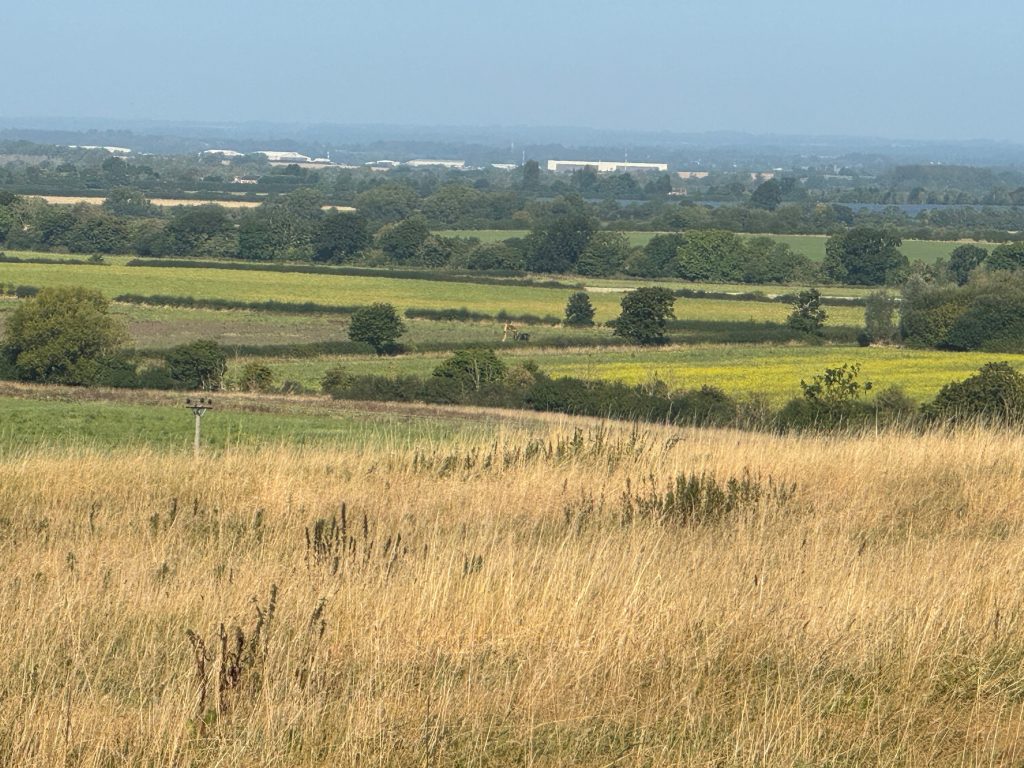
The proposed site is on productive grade 3a agricultural land. The EIA report wrongly assumes the land to be grade 3 and 4, and doesn't pick up on the 3a classification.
The visual impact would be devastating on land that borders heritage and conservation areas owned by the National Trust. If the development were to go ahead the landscape character would change from rural/ agricultural to industrial. The character and appearance of Coleshill Conservation Area, along with the setting and significance of listed buildings, would be compromised.
The landscape strategy for the Upper Vale with Woodland is to conserve the rural, largely unsettled nature of the landscape, and strengthen the woodland and hedgerow network. The application mentions planting woodland and hedge but the rural nature of the landscape is not really being conserved by this development.
The planning officers note that the solar farm would be visible and that the views would be affected.
The glint and glare report results found medium impacts of the solar panels at various local residential sites and high impacts in places on the road. This is a safety concern as well as a serious nuisance for home owners.
Information of note
VOWH DC Approved Council Motions: Council Meeting 16 July 2025...
Proposer: Councillor Foxhall Seconder: Councillor James
Lead officer: Head of Policy and Programmes
This Council notes:
Vale of White Horse District Council has declared a climate emergency and is committed to achieving net zero carbon emissions in its own operations by 2030 and in the district by 2045.
The district has significant potential for renewable energy development, particularly solar, which must be harnessed in a way that delivers genuine benefits for local communities.
Community energy organisations which are active across Oxfordshire, have demonstrated how local people can share in the benefits of renewable projects to help fund local net zero projects and reduce fuel poverty. Without such a requirement, local communities risk being excluded from the economic and social benefits of the clean energy transition.
This Council believes:
That new renewable energy infrastructure has the opportunity to contribute positively to the wellbeing and prosperity of the communities hosting them, and this opportunity should be harnessed. That the option for local shared ownership or benefit schemes should be offered by large-scale renewable developments to local communities.
That Vale of White Horse has an opportunity to lead by example in supporting fair, community-led energy.
This Council therefore resolves to:
Request that the leader of the Council write to the Secretary of State for Energy Security and Net Zero, the Minister for Climate, and local MPs to express this Council’s support for clarity on Community Energy benefit options and urge legislative action.
Encourage all developers of large-scale renewable energy schemes in Vale of White Horse District to work with community energy groups to maximise opportunities for Community Energy benefits options for local communities.
Work with Oxfordshire County Council, neighbouring authorities and Community Energy Organisations to promote community-led energy and maximise local benefit from future renewable energy projects.